Categories for Books, films and TV

The Receptive > The Joyous Lake

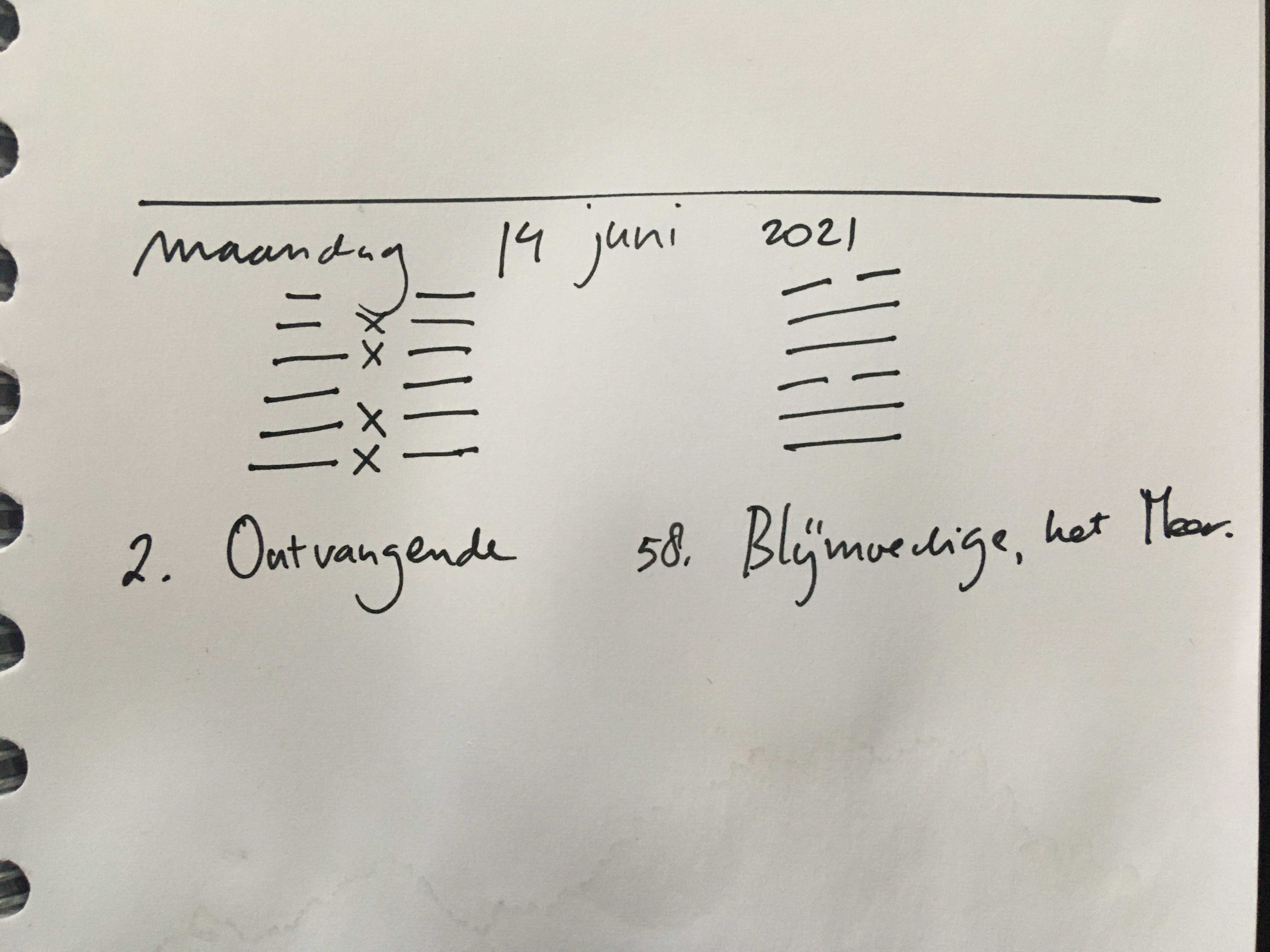
2. K’un / The Receptive

above K’UN THE RECEPTIVE, EARTH
below K’UN THE RECEPTIVE, EARTH

This hexagram is made up of broken lines only. The broken lines represents the dark, yielding, receptive primal power of yin. The attribute of the hexagram is devotion; its image is the earth. It is the perfect complement of THE CREATIVE–the complement, not the opposite, for the Receptive does not combat the Creative but completes it. It represents nature in contrast to spirit, earth in contrast to heaven, space as against time, the female-maternal as against the male-paternal. However, as applied to human affairs, the principle of this complementary relationship is found not only in the relation between man and woman, but also in that between prince and minister and between father and son. Indeed, even in the individual this duality appears in the coexistence of the spiritual world and the world of the senses.
But strictly speaking there is no real dualism here, because there is a clearly defined hierarchic relationship between the two principles. In itself of course the Receptive is just as important as the Creative, but the attribute of devotion defines the place occupied by this primal power in relation to the Creative. For the Receptive must be activated and led by the Creative; then it is productive of good. Only when it abandons this position and tries to stand as an equal side by side with the Creative, does it become evil. The result then is opposition to and struggle against the Creative, which is productive of evil to both.

THE JUDGMENT

THE RECEPTIVE brings about sublime success,
Furthering through the perseverance of a mare.
If the superior man undertakes something and tries to lead,
He goes astray;
But if he follows, he finds guidance.
It is favorable to find friends in the west and south,
To forego friends in the east and north.
Quiet perseverance brings good fortune.

The four fundamental aspects of the Creative–“sublime success, furthering through perseverance”–are also attributed to the Receptive. Here, however, the perseverance is more closely defined: it is that of a mare. The Receptive connotes spatial reality in contrast to the spiritual potentiality of the Creative. The potential becomes real and the spiritual becomes spatial through a specifically qualifying definition. Thus the qualification, “of a mare,” is here added to the idea of perseverance. The horse belongs to earth just as the dragon belongs to heaven. Its tireless roaming over the plains is taken as a symbol of the vast expanse of the earth. This is the symbol chosen because the mare combines the strength and swiftness of the horse with the gentleness and devotion of the cow.
Only because nature in its myriad forms corresponds with the myriad impulses of the Creative can it make these impulses real. Nature’s richness lies in its power to nourish all living things; its greatness lies in its power to give then beauty and splendor. Thus it prospers all that lives. IT is the Creative that begets things, but they are brought to birth by the Receptive. Applied to human affairs, therefore, what the hexagram indicated is action in conformity with the situation. The person in questions not in an independent position, but is acting as an assistant. This means that he must achieve something. It is not his task to try to lead–that would only make him lose the way-but to let himself be led. If he knows how to meet fate with an attitude of acceptance, he is sure to find the right guidance. The superior man lets himself be guided; he does not go ahead blindly, but learns from the situation what is demanded of him and then follows this intimation from fate.
Since there is something to be accomplished, we need friends and helpers in the hour of toil and effort, once the ideas to be realized are firmly set. The time of toil and effort is indicated by the west and south, for west and south symbolize the place where the Receptive works for the Creative, as nature does in summer and autumn. If in that situation one does not mobilize all one’s powers, the work to be accomplished will not be done. Hence to find friends there means to find guidance. But in addition to the time of toil and effort, there is also a time of planning, and for this we need this solitude. The east symbolized the place where a man receives orders from his master, and the north the place where he reports on what he has done. At that time he must be alone and objective. In this sacred hour he must do without companions. So that the purity of the moment may not be spoiled by fictional hates and favoritism.

THE IMAGE

The earth’s condition is receptive devotion.
Thus the superior man who has breadth of character
Carries the outer world.

Just as there is only one heaven, so too there is only one earth. In the hexagram of heaven the doubling of the trigram implies duration in time, but in the hexagram of earth the doubling connotes the solidity and extension in space by virtue of which the earth is able to carry and preserve all things that live and move upon it. The earth in its devotion carries all things, good and evil,, without exception. In the same way the superior man gives to his character breadth, purity, and sustaining power, so that he is able both to support and to bear with people and things.

THE LINES

Six at the beginning means:
When there is hoarfrost underfoot,
Solid ice is not far off.

Just as the light-giving power represents life, so the dark power, the shadowy, represents death. When the first hoarfrost comes in the autumn, the power of darkness and cold is just at its beginning. After these first warnings, signs of death will gradually multiply, until, in obedience to immutable laws, stark winter with its ice is here.
In life it is the same. After certain scarcely noticeable signs of decay have appeared, they go on increasing until final dissolution comes. But in life precautions can be taken by heeding the first signs of decay and checking them in time.

°Six in the second place means:
Straight, square, great.
Without purpose,
Yet nothing remains unfurthered.

The symbol of heaven is the circle, and that of earth is the square. Thus squareness is a primary quality of the earth. On the other hand, movement in a straight line, as well as magnitude, is a primary quality of the Creative. But all square things have their origin in a straight line and into turn form solid bodies. In mathematics, when we discriminate between lines, planes and solids, we find that rectangular planes result from straight lines, and cubic magnitudes from rectangular planes. The Receptive accommodates itself to the qualities of the Creative and makes them its own. Thus a square develops out of a straight line and a cube out of a square. This is compliance with the laws of the Creative; nothing is taken away, nothing added. Therefore the Receptive has no need of a special purpose of its own, nor of any effort’ yet everything turns out as it should.
Nature creates all beings without erring: this is its foursquareness. It tolerates all creatures equally: this is its greatness. Therefore it attains what is right for all without artifice or special intentions. Man achieves the height of wisdom when all that he does is as self-evident as what nature does.

Six in the fourth place means:
A tied-up sack. No blame, no praise.

The dark element opens when it moves and closes when at rest. The strictest reticence is indicated here. The time is dangerous , because any degree of prominence leads either to the enmity of irresistible antagonists if one challenges them or to misconceived recognition if one is complaisant. Therefore a man ought to maintain reserve, be it in solitude or in the turmoil of the world, for there too he can hide himself so well that no one knows him.

Six in the fifth place means:
A yellow lower garment brings supreme good fortune.

Yellow is the color of the earth and of the middle; it is the symbol of that which is reliable and genuine. The lower garment is inconspicuously decorated–the symbol of aristocratic reserve. When anyone is called upon to work in a prominent but not independent position, true success depends on the utmost discretion. A man’s genuineness and refinement should not reveal themselves directly; they should express themselves only indirectly as an effect from within.

58. Tui / The Joyous, Lake

above TUI THE JOYOUS, LAKE
below TUI THE JOYOUS, LAKE

This hexagram, like sun, is one of the eight formed by doubling of a trigram. The trigram Tui denotes the youngest daughter; it is symbolized by the smiling lake, and its attribute is joyousness. Contrary to appearances, it is not the yielding quality of the top line that accounts for joy here. The attribute of the yielding or dark principle is not joy but melancholy. However, joy is indicated by the fact that there are two strong lines within, expressing themselves through the medium of gentleness.
True joy, therefore, rests on firmness and strength within, manifesting itself outwardly as yielding and gentle.

THE JUDGMENT

THE JOYOUS. Success.
Perseverance is favorable.

The joyous mood is infectious and therefore brings success. But joy must be based on steadfastness if it is not to degenerate into uncontrolled mirth. Truth and strength must dwell in the heart, while gentleness reveals itself in social intercourse. In this way one assumes the right attitude toward God and man and achieves something. Under certain conditions, intimidation without gentleness may achieve something momentarily, but not for all time. When, on the other hand, the hearts of men are won by friendliness, they are led to take all hardships upon themselves willingly, and if need be will not shun death itself, so great is the power of joy over men.

THE IMAGE

Lakes resting one on the other:
The image of THE JOYOUS.
Thus the superior man joins with his friends
For discussion and practice.

A lake evaporates upward and thus gradually dries up; but when two lakes are joined they do not dry up so readily, for one replenishes the other. It is the same in the field of knowledge. Knowledge should be a refreshing and vitalizing force. It becomes so only through stimulating intercourse with congenial friends with whom one holds discussion and practices application of the truths of life. In this way learning becomes many-sided and takes on a cheerful lightness, whereas there is always something ponderous and one-sided about the learning of the self-taught.

Published on June 15, 2021 at 6:00 by

The books i have read

I have read, half-read, browsed through many books in the course of my life. Most i borrowed from the library. I went through whole sections in the library. In the early 80s i usually went for pychology. I remember reading books by Maslow about his hierarchy of needs. I bought the book Gödel, Escher, Bach written by Douglas Hofstadter and half-read it with much pleasure. At art school i went into the art section of the library and read many books written by art critics and books about artists and their work.

Language was another topic. Orality and Literacy written by Walter J. Ong made me aware the shape of language is dependent on the shape of the tools needed to use it. Written language, typed language, spoken language, sung language are all different. Current society with its many tools to preserve speech and songs is different from societies a hundred years ago. In the early 2000s i bought this book because i wanted to have it near me.

Philosophy, another topic. Many different philosophers from many different ages passed my hands: Plato, Spinoza, Heidegger, Wittgenstein, Foucault. None of which i completely understood, or understood at all, i admit now.

Right now i am in the first part of the history section. Philosophy of history it is called. I just half-read a book written by Jacques R. Pauwels called De grote mythen van de moderne geschiedenis (The great myths of modern history). Not read it thoroughly, no, but still learned about myths we are learned by media especially which are simply not true.

I have learned yes. Slowly. Over the years.

Last week i wrote something about the world being split. One side nature, with the changing of the seasons, the weather, the plants growing and giving fruit and vegetables. The other side the man made world, the world we live in with other people, the world made with texts and interviews and people’s opinions and many many talks and decisions.

I don’t know where i belong. Well, to be honest, i do feel i belong in my own world. But it is very hard and difficult to remain in there. The world is very difficult for people outside of the norm.

I do still trust myself. It is scary, difficult. But yes, i still feel i can turn my life around, make my voice be heard.

Salute!

Published on June 8, 2021 at 6:00 by

Influence > Gathering Together

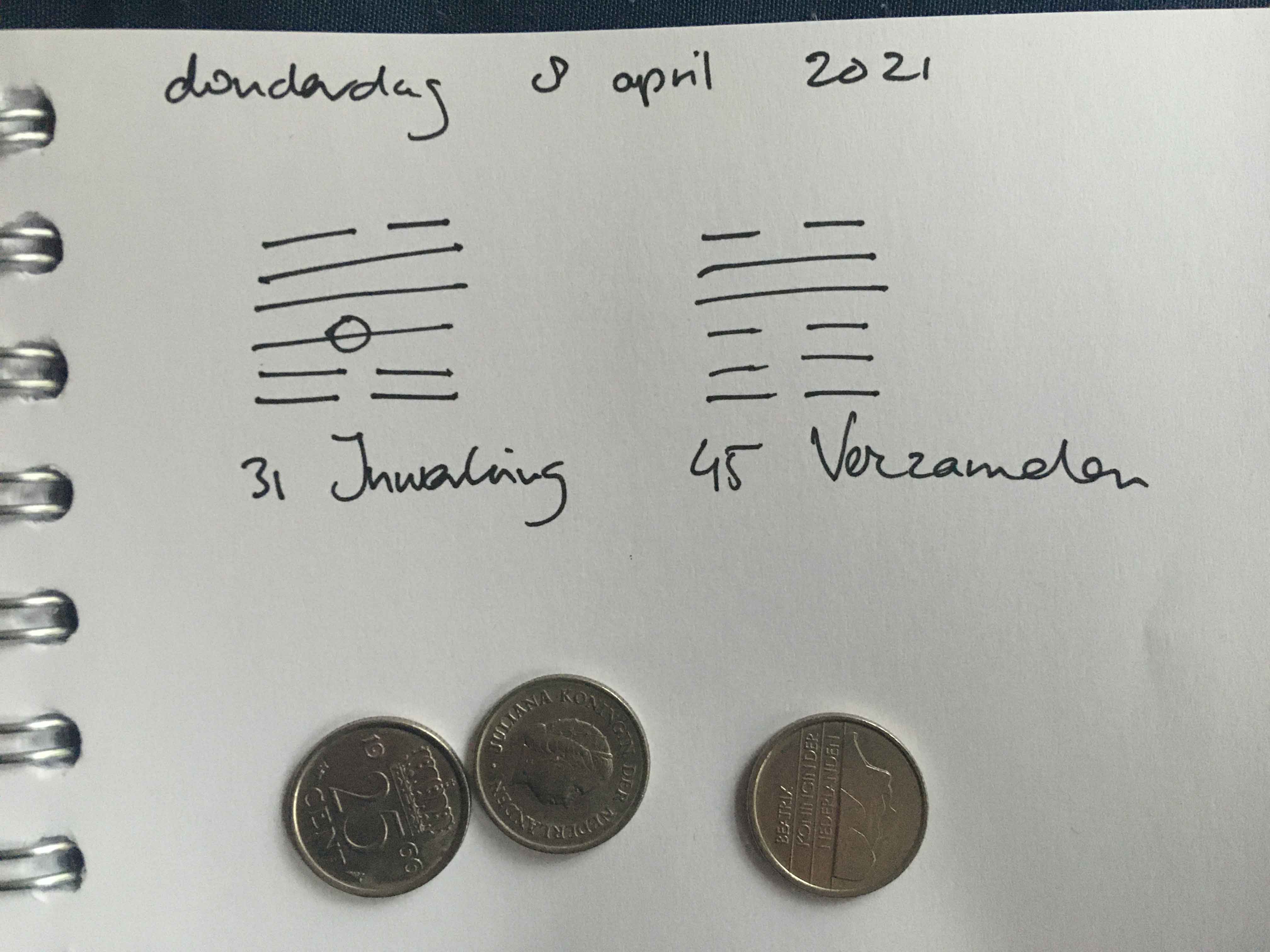
31. Hsien / Influence (Wooing)

above TUI THE JOYOUS, LAKE
below KêN KEEPING STILL, MOUNTAIN

The name of the hexagram means “universal,” “general,” and in a figurative sense “to influence,” “to stimulate.” The upper trigram is Tui, the Joyous; the lower is Kên, Keeping still. By its persistent, quiet influence, the lower, rigid trigram stimulates the upper, weak trigram, which responds to this stimulation cheerfully and joyously. Kên, the lower trigram, is the youngest son; the upper, Tui, is the youngest daughter. Thus the universal mutual attraction between the sexes is represented. In courtship, the masculine principle must seize the initiative and place itself below the feminine principle.
Just as the first part of book 1 begins with the hexagrams of heaven and earth, the foundations of all that exists, the second part begins with the hexagrams of courtship and marriage, the foundations of all social relationships.

THE JUDGMENT

Influence. Success.
Perseverance furthers.
To take a maiden to wife brings good fortune.

The weak element is above, the strong below; hence their powers attract each other, so that they unite. This brings about success, for all success depends on the effect of mutual attraction. By keeping still within while experiencing joy without, one can prevent the joy from going to excess and hold it within proper bounds. This is the meaning of the added admonition, “Perseverance furthers,” for it is perseverance that makes the difference between seduction and courtship; in the latter the strong man takes a position inferior to that of the weak girl and shows consideration for her. This attraction between affinities is a general law of nature. Heaven and earth attract each other and thus all creatures come into being. Through such attraction the sage influences men’s hearts, and thus the world attains peace. From the attractions they exert we can learn the nature of all beings in heaven and on earth.

THE IMAGE

A lake on the mountain:
The image of influence.
Thus the superior man encourages people to approach him
By his readiness to receive them.

A mountain with a lake on its summit is stimulated by the moisture from the lake. It has this advantage because its summit does not jut out as a peak but is sunken. The image counsels that the mind should be kept humble and free, so that it may remain receptive to good advice. People soon give up counseling a man who thinks that he knows everything better than anyone else.

Nine in the third place means:
The influence shows itself in the thighs.
Holds to that which follows it.
To continue is humiliating.

Every mood of the heart influences us to movement. What the heart desires, the thighs run after without a moment’s hesitation; they hold to the heart, which they follow. In the life of man, however, acting on the spur of every caprice is wrong and if continued leads to humiliation. Three considerations suggest themselves here. First, a man should not run precipitately after all the persons whom he would like to influence, but must be able to hold back under certain circumstances. As little should he yield immediately to every whim of those in whose service he stands. Finally, where the moods of his own heart are concerned, he should never ignore the possibility of inhibition, for this is the basis of human freedom.

45. Ts’ui / Gathering Together [Massing]

above TUI THE JOYOUS, LAKE
below K’UN THE RECEPTIVE, EARTH

This hexagram is related in form and meaning to Pi, HOLDING TOGETHER (8). In the latter, water is over the earth; here a lake is over the earth. But since the lake is a place where water collects, the idea of gathering together is even more strongly expressed here than in the other hexagram. The same idea also arises from the fact that in the present case it is tow strong lines (the fourth and the fifth) that bring about the gather together, whereas in the former case one strong line (the fifth) stands in the midst of weak lines.

THE JUDGMENT

GATHERING TOGETHER. Success.
The king approaches his temple.
It furthers one to see the great man.
This brings success. Perseverance furthers.
To bring great offerings creates good fortune.
It furthers one to undertake something.

The gathering together of people in large communities is either a natural occurrence, as in the case of the family, or an artificial one, as in the case of the state. The family gathers about the father as its head. The perpetuation of this gathering in groups is achieved through the sacrifice to the ancestors, at which the whole clan is gathered together. Through the collective piety of the living members of the family, the ancestors become so integrated in the spiritual life of the family that it cannot be dispersed or dissolved.
Where men are to be gathered together, religious forces are needed. But there must also be a human leader to serve as the center of the group. In order to be able to bring others together, this leader must first of all be collected within himself. Only collective moral force can unite the world. Such great times of unification will leave great achievements behind them. This is the significance of the great offerings that are made. In the secular sphere likewise there is need of great deeds in the time of GATHERING TOGETHER.

THE IMAGE

Over the earth, the lake:
The image of GATHERING TOGETHER.
Thus the superior man renews his weapons
In order to meet the unforeseen.

If the water in the lake gathers until it rises above the earth, there is danger of a break-through. Precautions must be taken to prevent this. Similarly where men gather together in great numbers, strife is likely to arise; where possessions are collected, robbery is likely to occur. Thus in the time of GATHERING TOGETHER we must arm promptly to ward off the unexpected. Human woes usually come as a result of unexpected events against which we are not forearmed. If we are prepared, they can be prevented.

Published on April 9, 2021 at 6:00 by

Holy

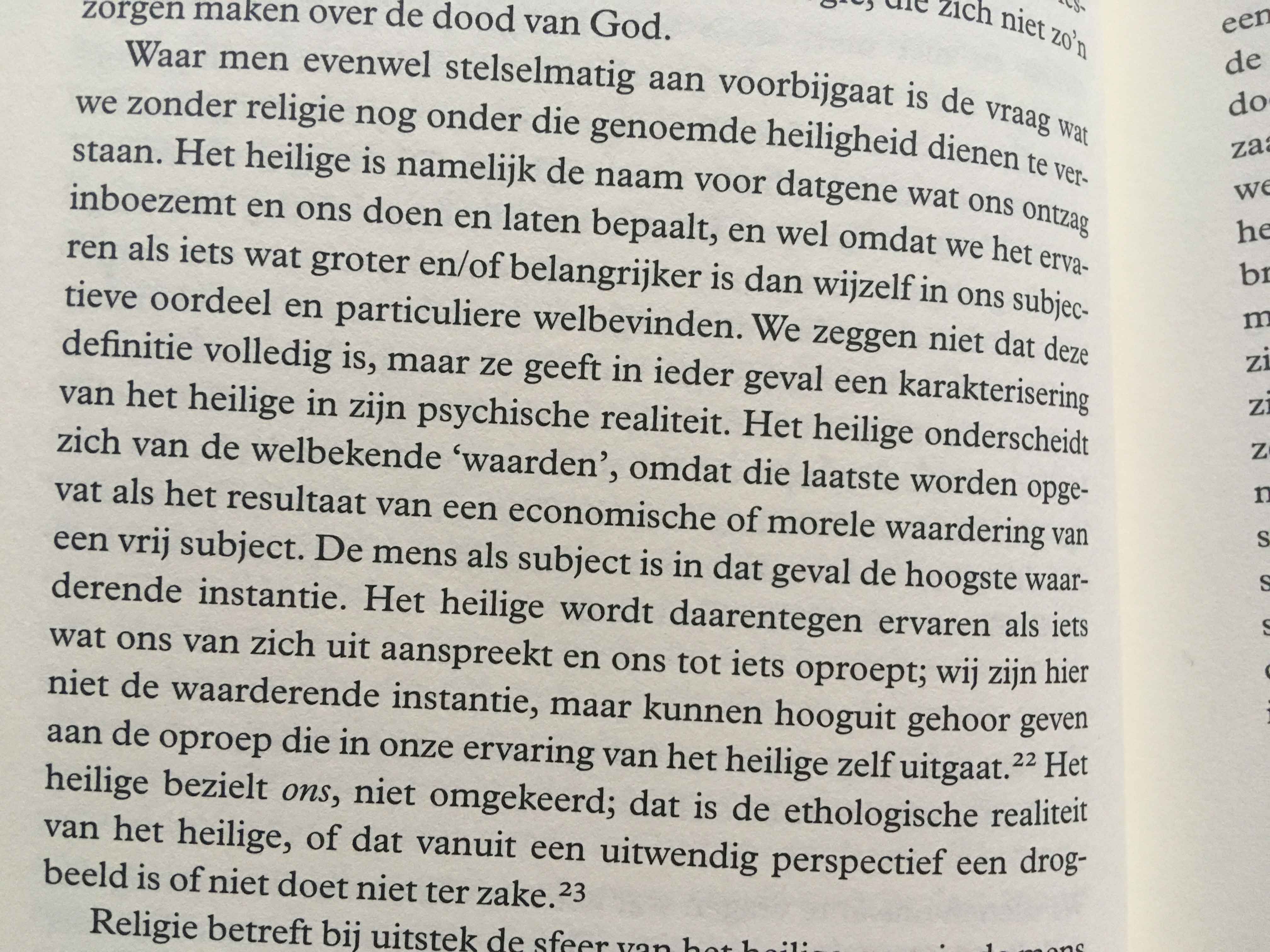
What is systematically ignored, however, is the question of what we should still understand by that sanctity without religion. The sacred is the name for that which inspires awe and determines our actions and actions, and this because we experience it as something greater and / or more important than we live in our subjective judgment and private well-being. We are not saying that this definition is complete, but at least it provides a characterization of the sacred in its psychic reality. The sacred is distinguished from the well-known “values” because the latter are understood as the result of an economic or moral evaluation of a free subject. The human being as subject is in that case the highest appreciative authority. On the other hand, the sacred is experienced as something that appeals to us and calls us to something; we are not the appreciative body here, but can at most respond to the call that in our experience emanates from the sacred self. The sacred animates us, not the other way around; that is the ethological reality of the sacred, whether it is a delusion from an external perspective or not is irrelevant.

Waar men evenwel stelselmatig aan voorbijgaat is de vraag wat we zonder religie nog onder die genoemde heiligheid dienen te verstaan. Het heilige is namelijk de naam voor datgene wat ons ontzag inboezemt en ons doen en laten bepaalt, en wel omdat we het ervaren als iets wat groter en/of belangrijker is dan wijzlef in ons subjectieve oordeel en particuliere welbevinden. We zeggen niet dat deze definitie volledig is, maar ze geeft in ieder geval een karakterisering van het heilige in zijn psychische realiteit. Het heilige onderscheidt zich van de welbekende ‘waarden’, omdat die laatste worden opgevat als het resultaat van een economische of morele waardering van een vrij subject. De mens als subject is in dat geval de hoogste waarderende instantie. Het heilige wordt daarnetegen ervaren al iets wat ons van zich uit aanspreekt en ons tot iets oproept; wij zijn hier niet de waarderende instantie, maar kunnen hooguit gehoor geven aan de oproep die in onze ervaring van het heilige zelf uitgaat. Het heilige bezielt ons, niet omgekeerd; dat is de ethologische realiteit van het heilige, of dat vanuit een uitwendig persepctief een drogbeeld is of niet doet niet ter zake.

Ad Verbrugge

Published on March 5, 2021 at 6:00 by

Ursula K. Le Guin Quotes

“Love doesn’t just sit there, like a stone, it has to be made, like bread; remade all the time, made new.”

“We’re each of us alone, to be sure. What can you do but hold your hand out in the dark?”

“When you light a candle, you also cast a shadow.”

“The trouble is that we have a bad habit, encouraged by pedants and sophisticates, of considering happiness as something rather stupid. Only pain is intellectual, only evil interesting. This is the treason of the artist; a refusal to admit the banality of evil and the terrible boredom of pain.”

“What sane person could live in this world and not be crazy?”

“Light is the left hand of darkness
and darkness the right hand of light.
Two are one, life and death, lying
together like lovers in kemmer,
like hands joined together,
like the end and the way.”

Ursula K. Le Guin

Published on January 27, 2021 at 6:00 by

Television

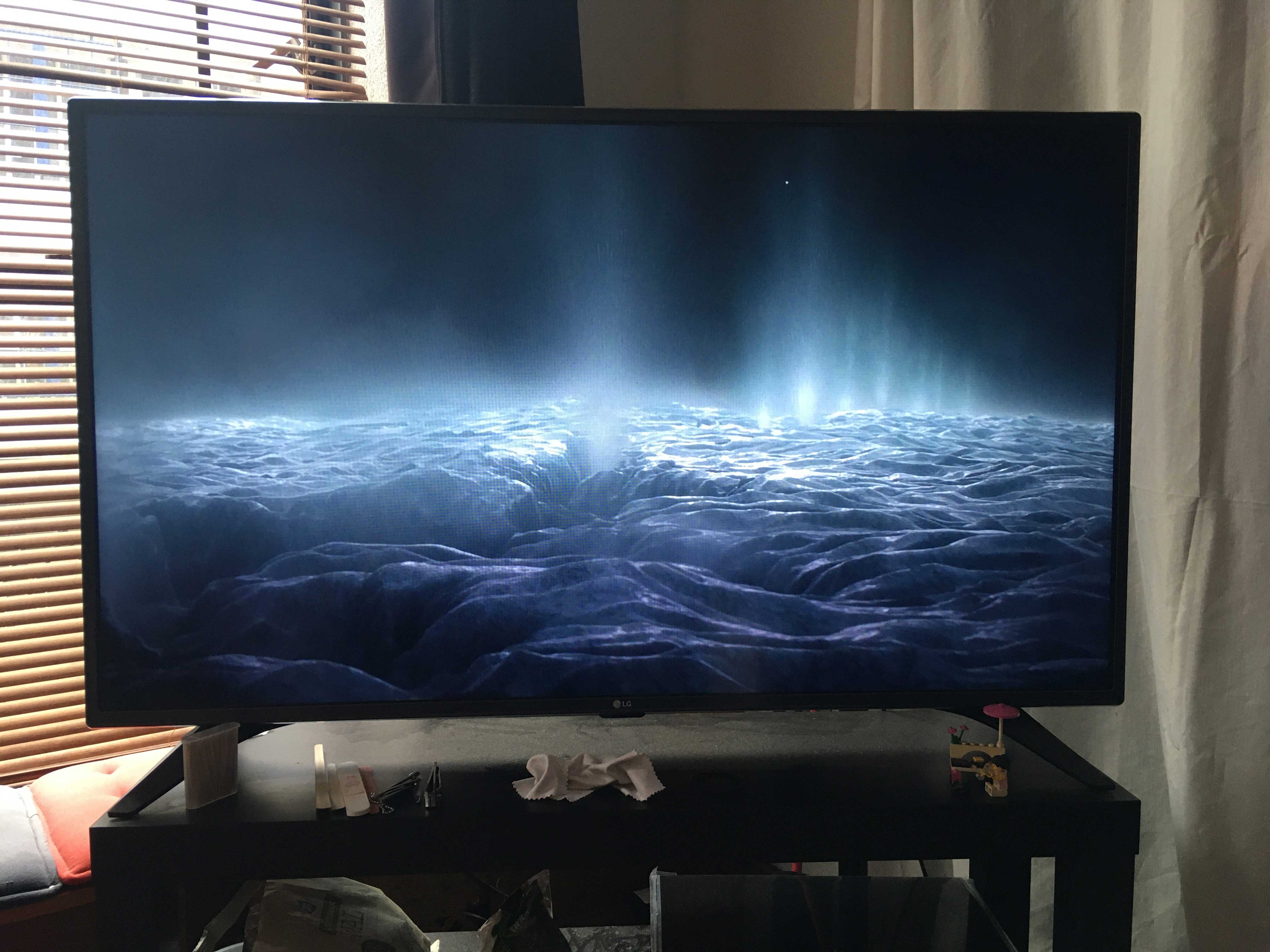
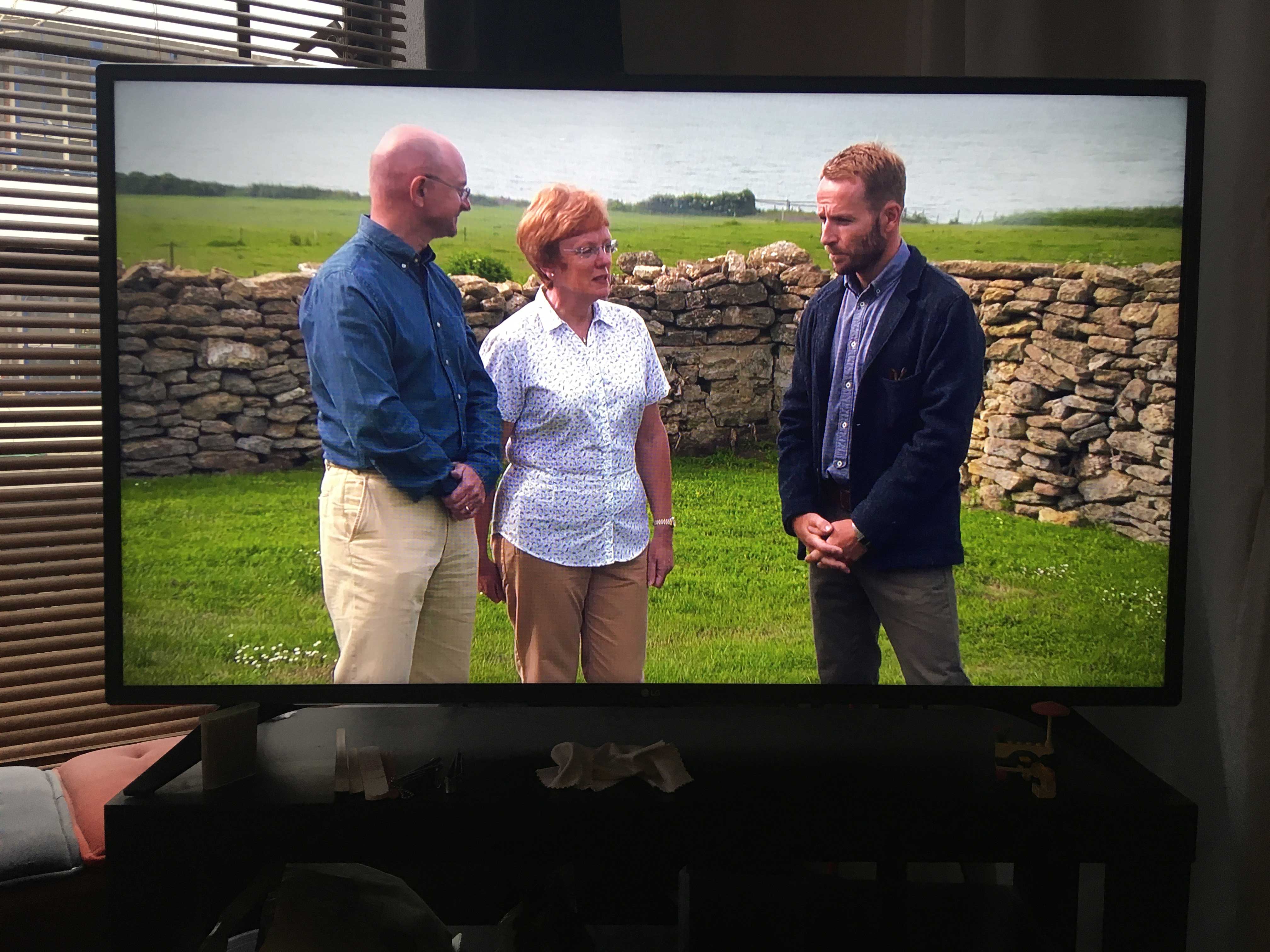
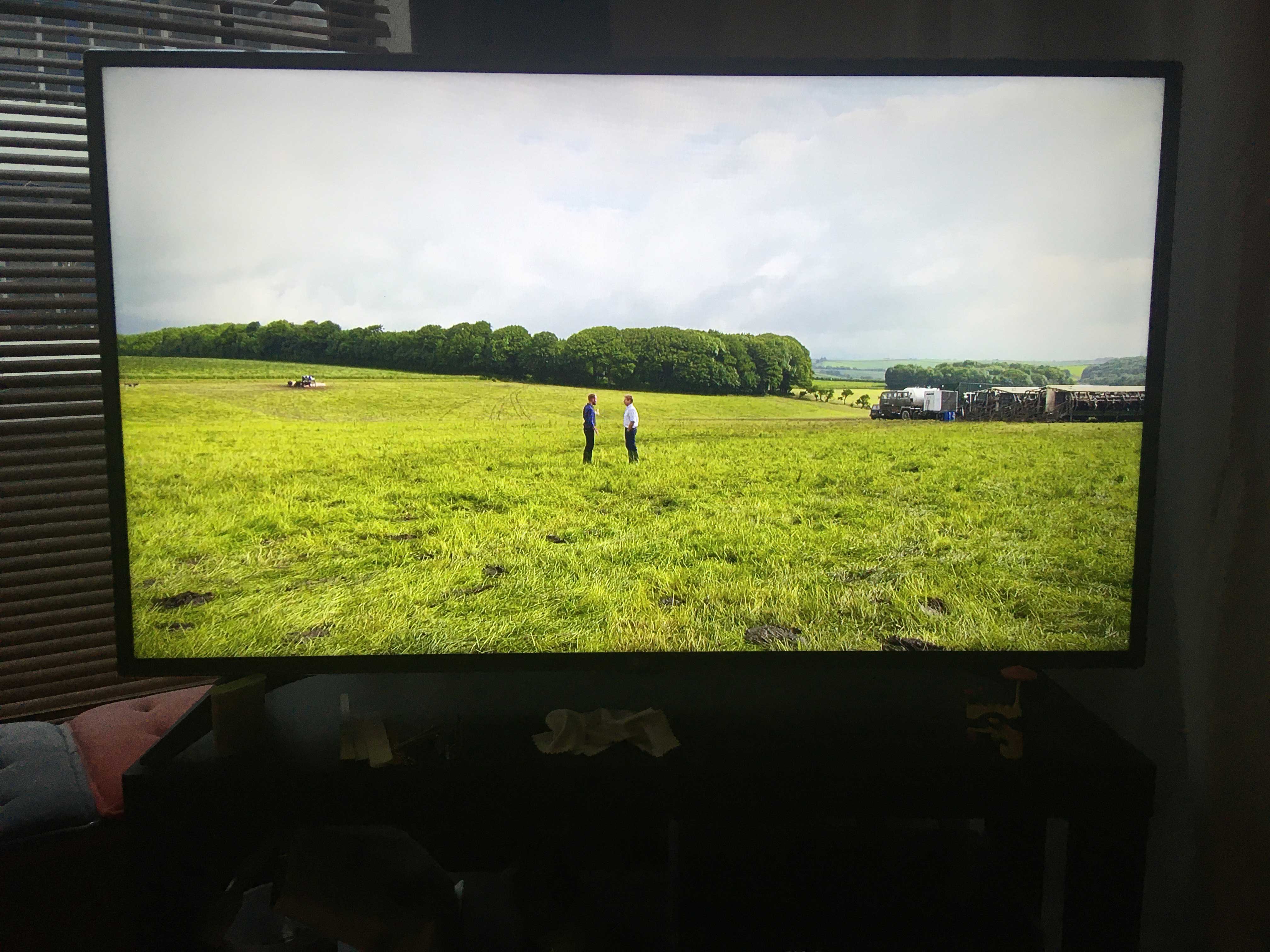
A week ago i moved to my current room. I didn’t realize beforehand that part of the room is a television. With an active Ziggo account. I confess, i have watched way more than i should. Sunday i watched Heel Holland Bakt and Pride and Prejudice. Monday i watched half The Lord of the Ring – The Two Towers. Tuesday morning i finished this happily. Tuesday evening i watched half an hour of Fifty Shades of Grey. In the afternoon i watched The Planets on BBC2. Really enjoyable and still a few episodes to go. After that Escape to the Country, an old favourite of mine.

I have been following the news a bit more than usual. I am also thinking about who to vote for in the Dutch elections in March. Still not sure about this. I’ll keep you informed.

The Planets
The Planets: Saturn
Escape to the Country
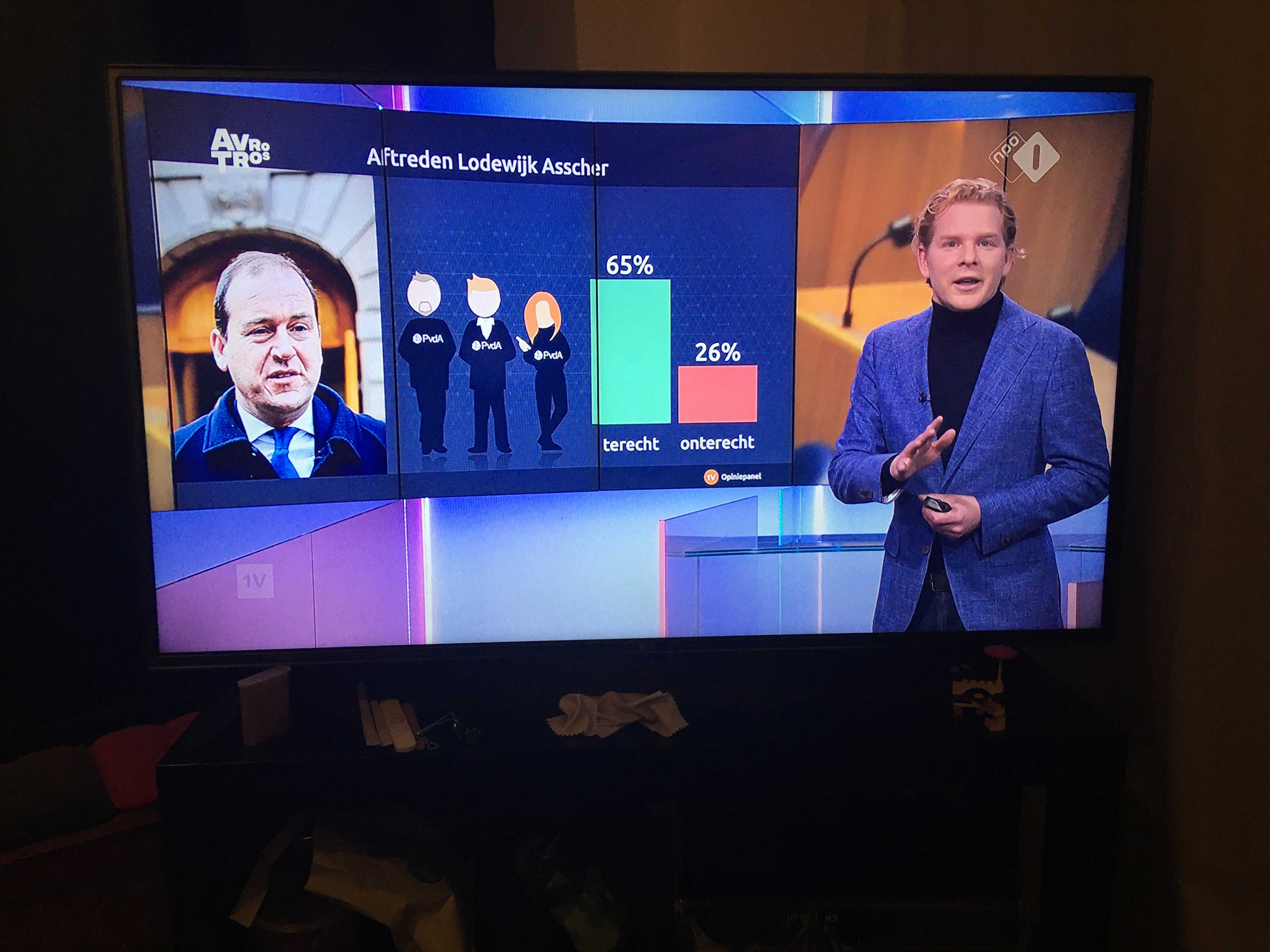
The news: Asscher leaves
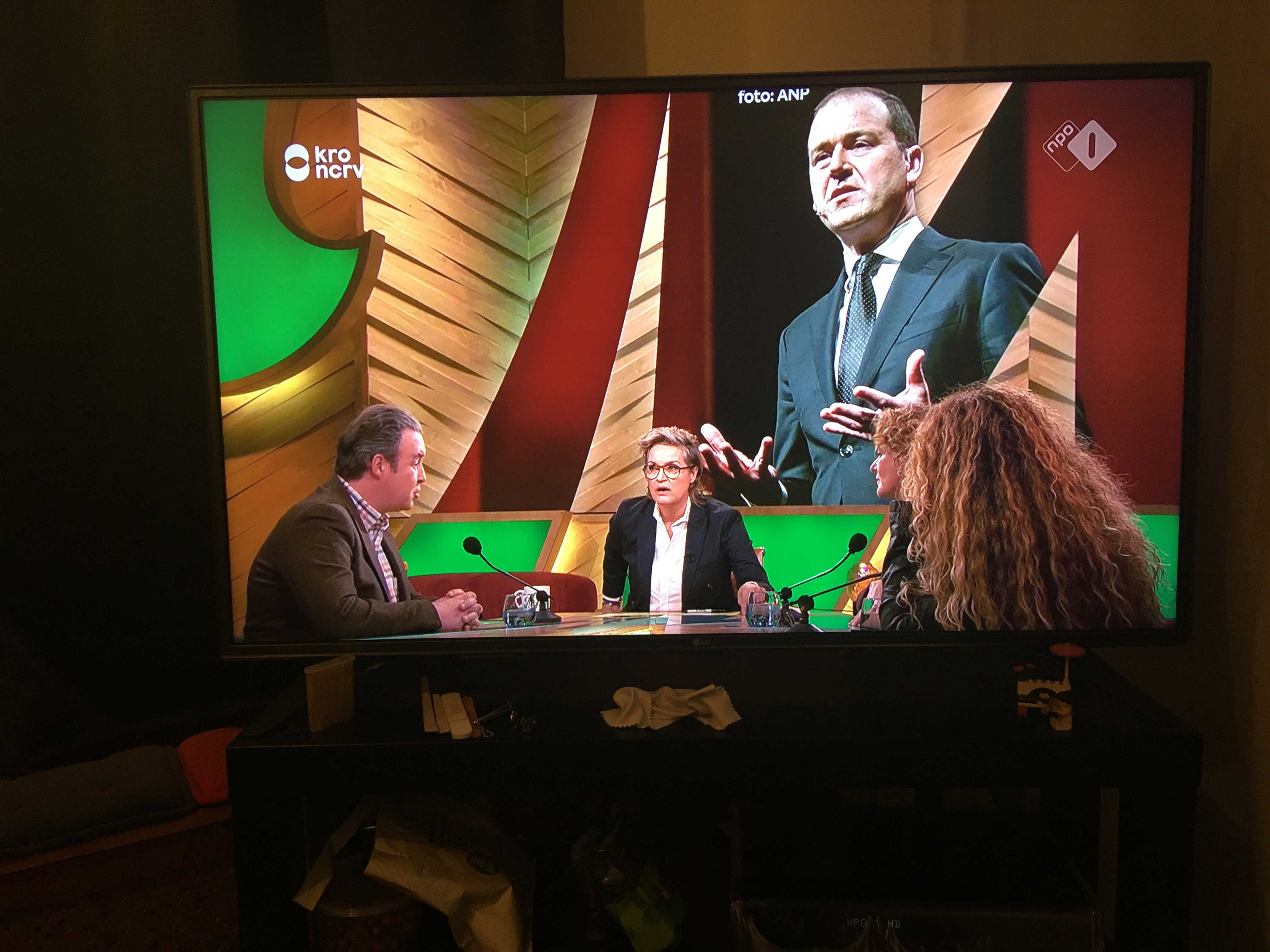
The early evening talk show M about Asscher
Published on January 15, 2021 at 6:00 by

Reading slow

I haven’t been reading much over the past weeks. Months even. The library closed for a couple of weeks. Just before i had returned the books i had. A week and a half ago i went to the library to see if i could find anything.

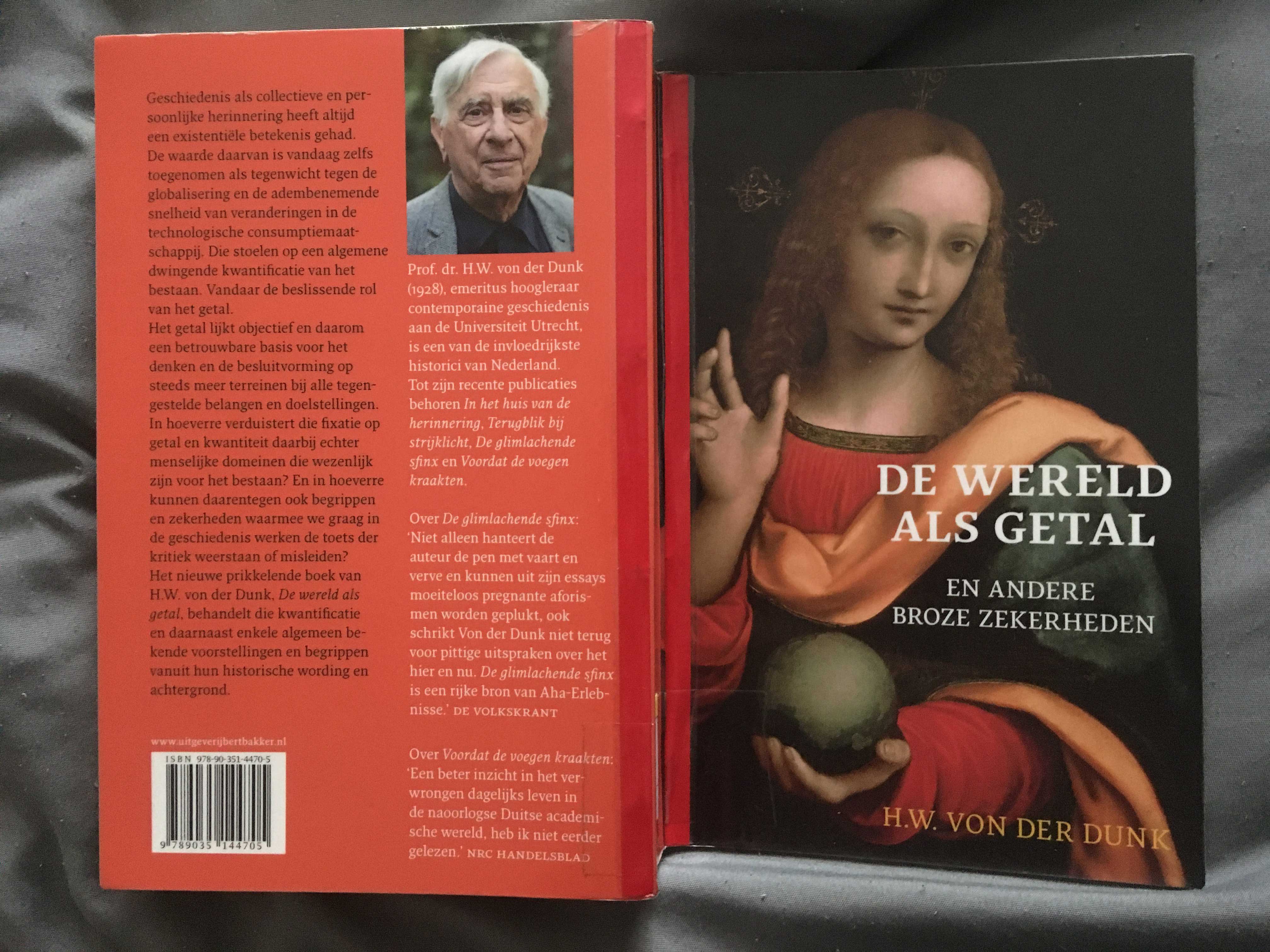
Today i started reading it again. I was only in for a couple of pages anyway. It is from the historical philosophical section from the library. I don’t know anything specific about the quality of this book and this writer, H.W. von der Dunk, but i do enjoy reading this, albeit slowly.

From what i gather from the title and the introduction this book is about the influence of exact sciences and technology on our current society. The large groups of specialists make it difficult to understand each other.

I do find myself reading so much slower than i used to do a couple of years ago. While i let a sentence show its meaning to me, i can read it for a couple of times at least. And i know i will forget it in a few hours.

I do miss the rush into a story sometimes. But that is what fiction is for. This book is non-fiction, and it does take more time. I do hope i can finish it one day.

I do find myself thinking about history. Our view of the past as human beings. The past that has brought us where we are right now. The past of which we only know so little. Only through texts, lists, drawings, paintings, buildings, institutes, legal documents and any other leftover from the past can we make a guess to what living in a time before ours was like. It is very difficult for us to see what makes us who we are, what makes us different from the ones from the past, what makes us the same.

I remember reading the book by Walter J. Ong called Orality and Literacy: The Technologizing of the Word (1982), way back in the 90s. I ended up buying this book, since i loved it so much. The development of human life in a world growing from a completely oral society to our current high technological use of secondary language is astonishing. This is so difficult to get a clear grip on.

Stuff to think about. Salute!

Reviews
De wereld als getal
De wereld als getal

Published on December 3, 2020 at 6:00 by

Verb

Oscar Wilde said that if you know what you want to be, then you inevitably become it. That is your punishment. But if you never know, then you can be anything. There is a truth to that. We are not nouns, we are verbs. I am not a thing — an actor, a writer — I am a person who does things — I write, I act — and I never know what I am going to do next. I think you can be imprisoned if you think of yourself as a noun.
— Stephen Fry

“If you want to be a grocer, or a general, or a politician, or a judge, you will invariably become it; that is your punishment. If you never know what you want to be, if you live what some might call the dynamic life — but what I will call the artistic life — if each day you are unsure of who you are and what you know you will never become anything, and that is your reward.”
— Oscar Wilde

I live on this earth at present, and I don’t know what I am. I know that I am not a category. I’m not a thing — a noun. I seem to be a verb, an evolutionary process — an integral function of the universe.”
— R. Buckminster Fuller

“This is how it feels to lead a faithful creative life: You try and try and try and nothing works. But you keep trying, and you keep seeking, and then sometimes, in the least expected place and time, it finally happens… You might earn a living with your pursuits or you might not, but you can recognize that this is not really the point. And at the end of your days you can thank creativity for having blessed you with a charmed, interesting, passionate existence.”
— Elizabeth Gilbert

Published on October 23, 2020 at 6:00 by

Kapitalisme, kolonisatie en cultuur

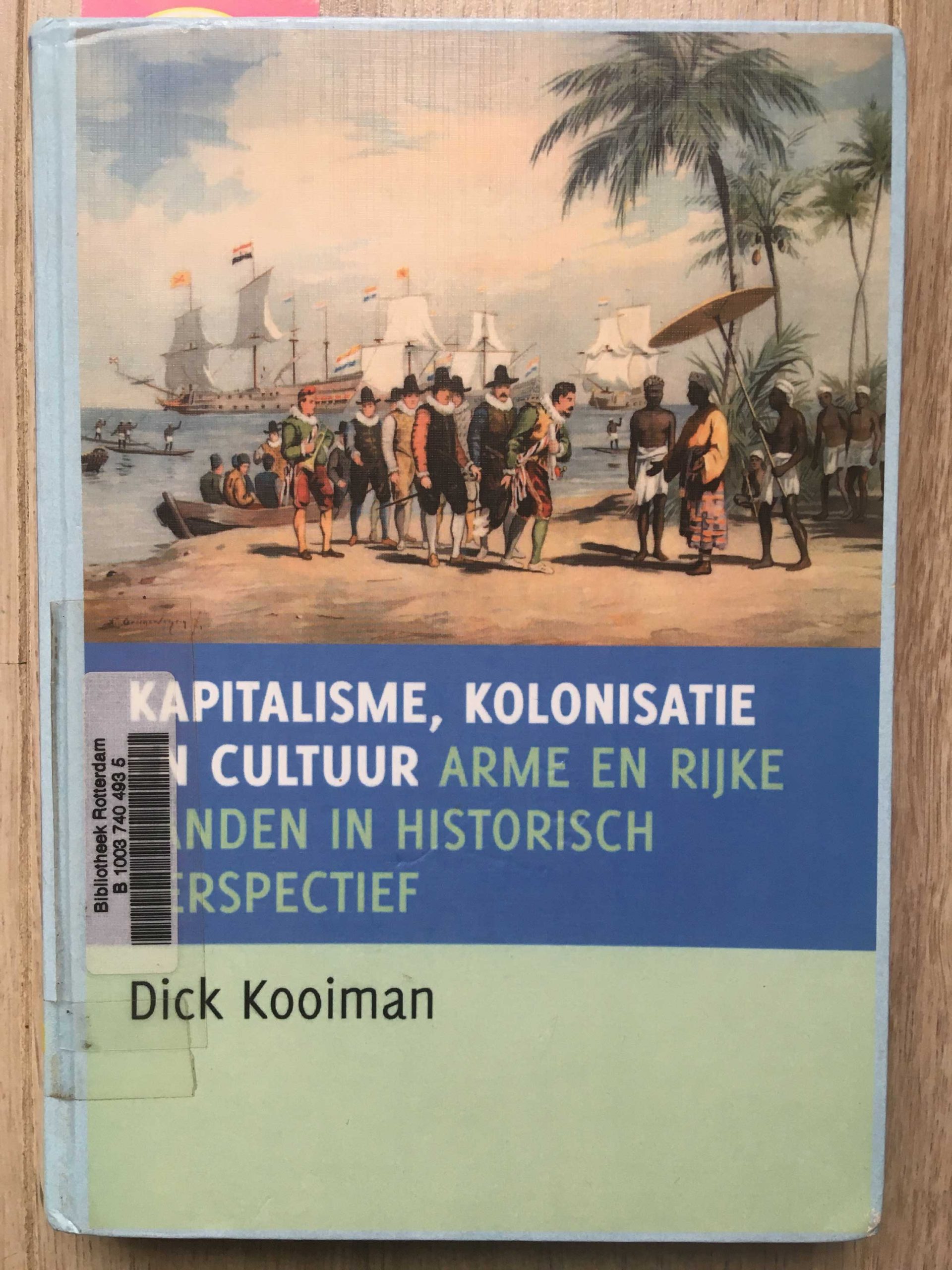
I’m reading a book i borrowed from the library: Kapitalisme, kolonisatie en cultuur – Arme en rijke landen in historisch perspectief written bij Dick Kooiman. I searched for a translation, but couldn’t find one. I did find summaries and reviews, but in Dutch only.

To me personally the beginning of the book is stunning. It confirms my thoughts about the eurocentric sciences of the past couple of hundred years. It felt to me that in this book, published in 2009, it is simply stated as a matter of fact. I haven’t found a single justification yet.

It is good to read this book, with its clear distance from the old historical writings of around a hundred or more years ago. Highly recommended.

Review in pdf format

Published on October 2, 2020 at 6:00 by